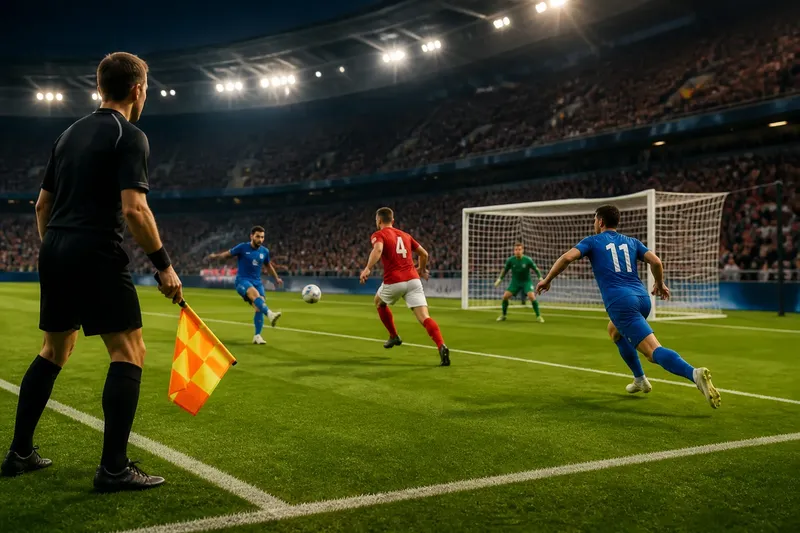
From Two Halves to Four Quarters: Why Game Formats Differ
Why game formats differ becomes clearer when you compare their planned pauses, continuity and rules, and see how each structure shapes the choices teams can make.

At half-time in a football match, a supporter can fetch tea and return before the second half begins. In basketball, the same match-length ritual is broken into quarters, with more scheduled pauses. Why game formats differ is not merely a matter of clock design: periods set when teams can regroup and how the contest is divided.
Those divisions also carry practical and historical weight. They affect opportunities for coaching, substitutions, changes of ends and broadcast scheduling. The useful comparison is not a tally of pauses, but an account of what the rules permit at each one.
What should you check in the rules?
Begin with the competition’s published regulations, rather than relying on the version of a sport you know best. The same game may have different arrangements in school, recreational, professional or international competitions.
Look for four details: whether play is divided into halves, quarters, periods or sets; whether intervals are timed or score-based; whether the clock stops during interruptions; and what substitutions or coaching are allowed during a pause. A period is a span of play; an interval is the break between spans. The distinction matters because the labels alone do not tell you how much uninterrupted action a match contains.
How do scheduled breaks alter the contest?
During a continuous stretch, players manage effort and make choices while play carries on. Coaches may communicate where the rules allow, but a scheduled interval creates a clearer chance to gather a team, discuss a pattern and adjust assignments.
More frequent intervals can provide more occasions to rotate players or change a plan. They also divide a developing passage of play: a team building pressure must resume after a pause, while its opponents have time to regroup. A stoppage is an opportunity, not an instruction. Teams may keep the same approach or discover that the other side has already adapted.
Association football’s two halves give the match one main central interval. Basketball’s quarters mark more regular divisions, though the precise stoppages and clock rules depend on the competition. Neither structure makes one sport inherently more tactical. They provide different points at which intervention can be organised.
Why use halves instead of quarters?
Halves give a match a long central hinge. The first half establishes the situation; the second gives both sides a sustained chance to respond. In sports where teams change ends, the switch can also help balance conditions such as wind or sun.
The longer stretches ask players to manage effort and attention between formal intervals. Substitutions or other stoppages may still occur, but there is no routine quarter break to gather the whole team. A useful pattern may therefore continue for longer before either side has a scheduled chance to reset.
Quarters make smaller chapters of the match. That can help coaches plan rotations and give spectators clear points at which the contest is formally divided. The trade-off is a more segmented rhythm, with play stopping and restarting at planned intervals. Neither design determines how fluid the action will be: the other rules and the match itself matter too.
What do tradition and competition needs explain?
Formats are inherited as well as designed. A period structure becomes bound up with officiating, coaching habits, player preparation and supporters’ expectations. Altering it can affect all of those, even if the change looks like a simple adjustment to the clock.
Organisers may also adapt a format for a particular event, age group or schedule. A shortened version can make a competition easier to stage, while participation rules may shape how periods are arranged. Before comparing two matches, check that they use the same version of the rules.
It is not worth the effort to infer the whole character of a match from the number of periods alone. Fouls, reviews and other interruptions can make a simple structure feel stop-start; a game with several periods can still contain long passages of uninterrupted play.
How can you compare two game formats?
Use the published rules to identify planned intervals, then compare the permitted actions during them. Ask whether players can be substituted, whether coaches can address the whole team, whether ends change, and whether the clock stops. These details explain more than the labels “half” and “quarter”.
Say you are watching an invented indoor court match divided into quarters. The starting point is that one side repeatedly attacks the left channel and the defence leaves it open. At the interval, the defending coach assigns a different player to cover that route. After play resumes, the attack moves to the centre instead. The observable result is a change in where the attack goes; the trade-off is that the defence has committed a player to one threat and may leave another area less covered.
In a match divided into halves, an equally useful comparison is whether the teams can make a formal adjustment only at the central interval or also during permitted stoppages. That tells you how much the structure itself, rather than an isolated pause, shapes the available response.
What questions do viewers ask about game formats?
Do more quarters always mean more interruptions?
They mean more scheduled interval points, but not necessarily more interruptions overall. Clock rules, substitutions and stoppages for officials also affect how often play pauses.
Why do teams change ends during a match?
Changing ends can help balance conditions such as wind or sun across the contest. The regulations for the specific competition determine when the switch happens.
Can a match have halves and several other pauses?
Yes. “Halves” describes the main periods, not every interruption. Substitutions, reviews and other stoppages may occur without changing the match’s basic structure.
Where can you check a competition’s format?
Use the current regulations published by the organiser or governing body. Look for the sections on duration, intervals, clock operation and substitutions, since a familiar sport may have modified rules for a particular event.
Why game formats differ becomes easiest to see when you connect each planned interval to the choices it permits. Check the competition rules first; then the rhythm of the match has a clearer explanation than the clock face alone can provide.